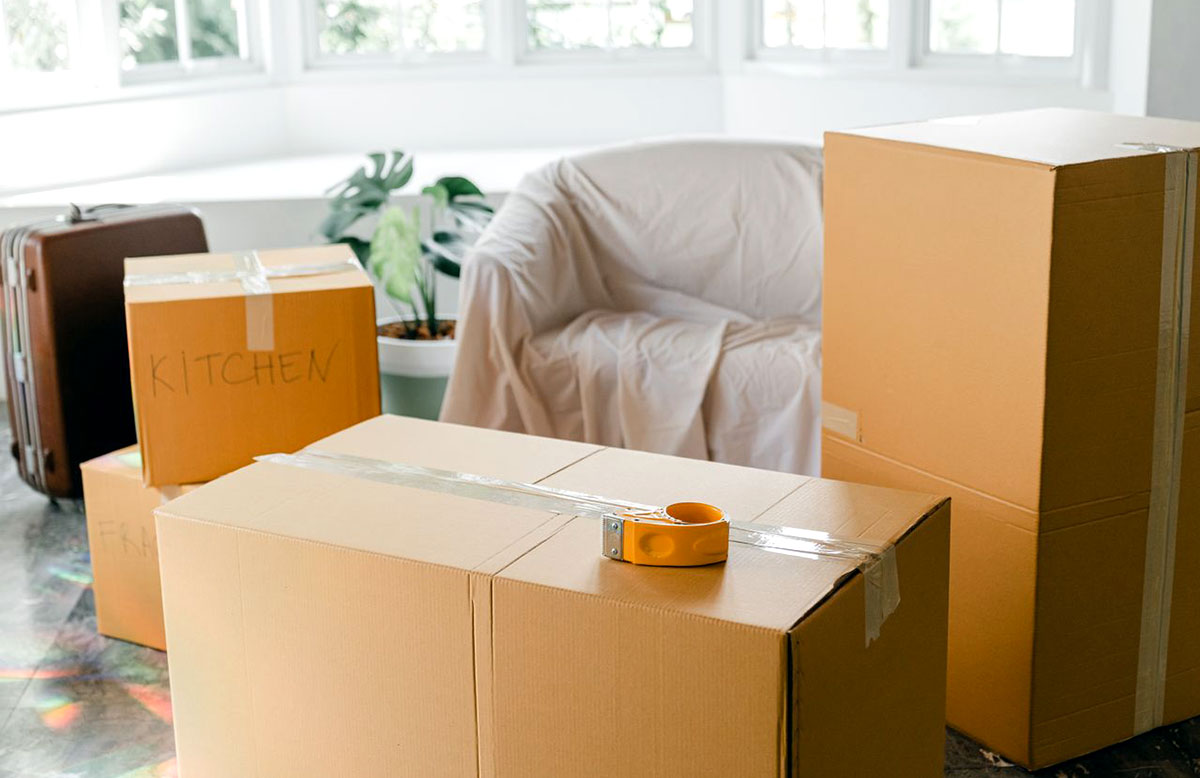
How Renters Can Manage Belongings When Moving From a Large House Into an Apartment
A four-bedroom house hides a surprising amount of stuff: a garage full of tools, a spare guest room, and closets packed with seasonal gear. A typical apartment offers a fraction of that space, so everything you own suddenly has to earn its place. Knowing how renters can manage belongings when moving from a large house into an apartment makes the difference between a calm transition and a new home buried in boxes. The process comes down to measuring honestly, sorting early, choosing smart storage, and protecting your deposit in the new unit.
How Much Space Will You Actually Have?
Start with the floor plan, not your furniture. Ask the leasing office or property manager for exact room dimensions, closet sizes, and doorway widths before you pack a single box. Then measure your largest pieces at home and compare the numbers.
This step prevents the most common downsizing mistake: hauling a sectional sofa across town only to find it won’t fit through the apartment door. If you are moving into a Las Vegas high-rise or a Reno walk-up, building access can matter as much as square footage. A simple sketch of each room, with furniture drawn to scale, quickly shows you what stays and what goes.
What Should You Keep, Sell, or Donate?
Keep what you use regularly and what fits the new floor plan, then sell or donate the rest. A smaller kitchen rarely needs three sets of dishes or two slow cookers, so duplicates go first. Walk through the house room by room and sort each item into one of four groups:
- Things you use every week
- Things with real sentimental value
- Things worth selling online
- Things to donate or recycle
Begin sorting six to eight weeks before move day. Selling furniture takes time, and rushed choices often leave renters paying to move things they later give away. Many of the most useful secrets to downsizing to a smaller apartment start with the same principle: if an item does not have a clear purpose or a realistic place in the new home, reconsider bringing it.
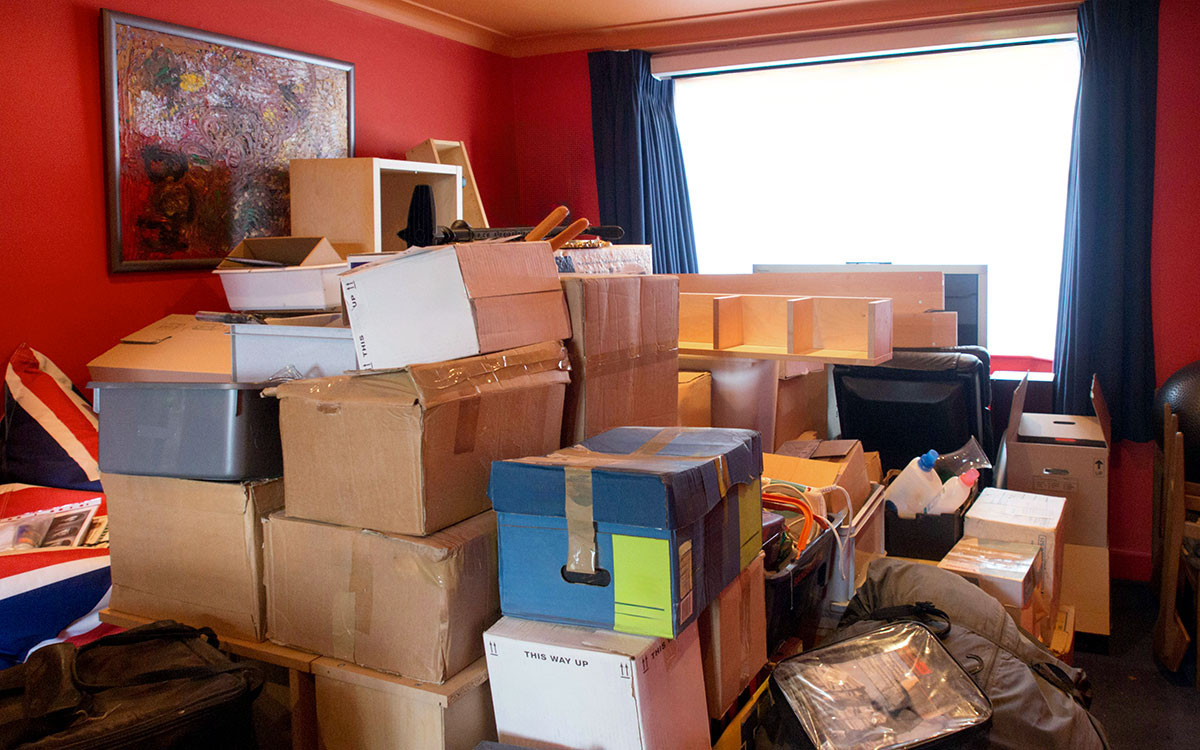
How Do You Handle Bulky Collections and Sentimental Items?
Treat large collections as a separate project from general decluttering. Books, vinyl records, and hobby supplies take up far more room than most people expect. Count what you own, then compare that number with the shelf space your apartment can realistically hold.
Books need special attention because they are heavy and fill boxes fast. Keep the titles you reread or reference, and pass the rest along to a local library, school, or used bookstore. Once you have decided what is coming with you, careful packing becomes especially important when relocating your home library, since overfilled boxes can become difficult to carry and may damage books in transit. For sentimental items like letters or children’s artwork, photograph what you cannot keep and store the originals in one labeled bin.
Smart Ways Renters Can Manage Belongings When Moving From a Large House Into an Apartment
The best approach is to use vertical space and furniture that does double duty. A storage ottoman, a bed frame with drawers, or a tall bookcase can replace the closets and garage shelves you leave behind. Over-the-door organizers and under-sink bins add capacity without eating into floor space.
Before you install anything, read your lease. Many apartments restrict drilling, adhesive hooks, or wall-mounted shelving, and damage from unapproved installations can become one of the ways to lose a rental security deposit. Ask your property manager which options they approve before making changes. Tension rods, freestanding shelves, and removable hooks can often add storage without permanently altering the unit.
When Does a Storage Unit Make Sense?
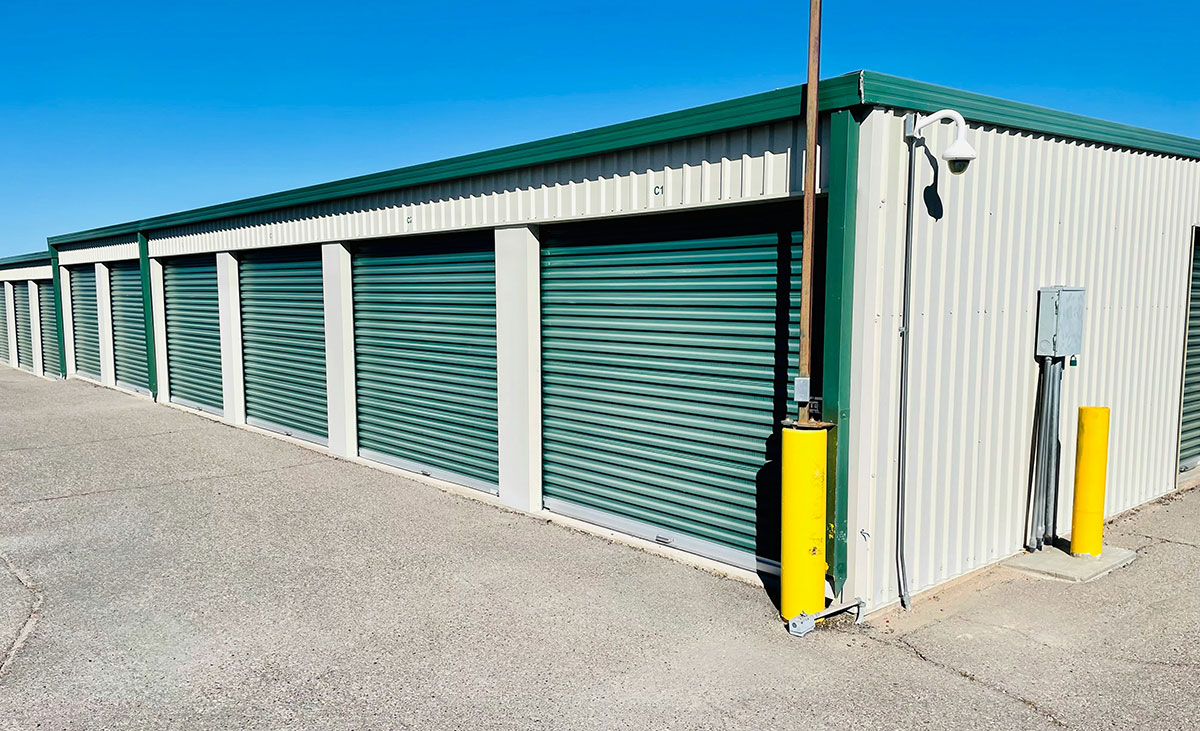
A storage unit makes sense when the need is temporary and clearly defined. Good examples include furniture for a future home, seasonal gear, or items waiting for a buyer. It rarely works as a permanent overflow closet, because monthly fees add up quickly.
Timing matters here, too. Renting a unit a few weeks before your lease starts lets you clear the house gradually and keeps the new apartment clear on day one. A little overlap between moving dates can also maximize flexibility during a move, giving you more time to sort, sell, store, and transport belongings without trying to do everything at once. In Las Vegas, where summer temperatures regularly climb past 100°F, choose a climate-controlled unit for electronics, photos, wood furniture, and books.
How Should You Choose Movers for a Downsizing Move?
Choose movers who offer an in-home or virtual survey and a written estimate based on what you actually plan to take. A downsizing move should cost less than moving a full house, and the quote should reflect that smaller load. Ask whether the crew can split a delivery between your apartment and a storage unit.
For moves across state lines, verify the company before you sign anything. You can use the Federal Motor Carrier Safety Administration’s Protect Your Move program to check whether an interstate mover is registered and review information about your rights and responsibilities. For a local move within Nevada, check reviews and state licensing before you book.
What Should You Do in the First Week After Moving In?
Unpack the essentials first, then live in the space for a few days before you buy new storage. Your routines will show where clutter actually collects, such as the entryway or kitchen counter. Buying organizers before you know those patterns often creates more clutter, not less.
Safety belongs on the list as well. Tall bookcases and dressers can tip over in a small room, especially in homes with young children. The U.S. Consumer Product Safety Commission’s Anchor It! campaign recommends securing furniture and televisions that could tip, so ask your property manager which anchoring methods are permitted under your lease. Heavy items should also stay on lower shelves.
Turning Less Space Into a Better Fit
A move from a house to an apartment goes smoothly when you make decisions early and let the new floor plan guide each choice. Measure first, sort with intention, give collections their own plan, and pick storage that respects your lease. Once you understand how renters can manage belongings when moving from a large house into an apartment, the smaller space starts to feel lighter rather than tighter. Request the floor plan for your new unit this week, and start sorting the room you use least.