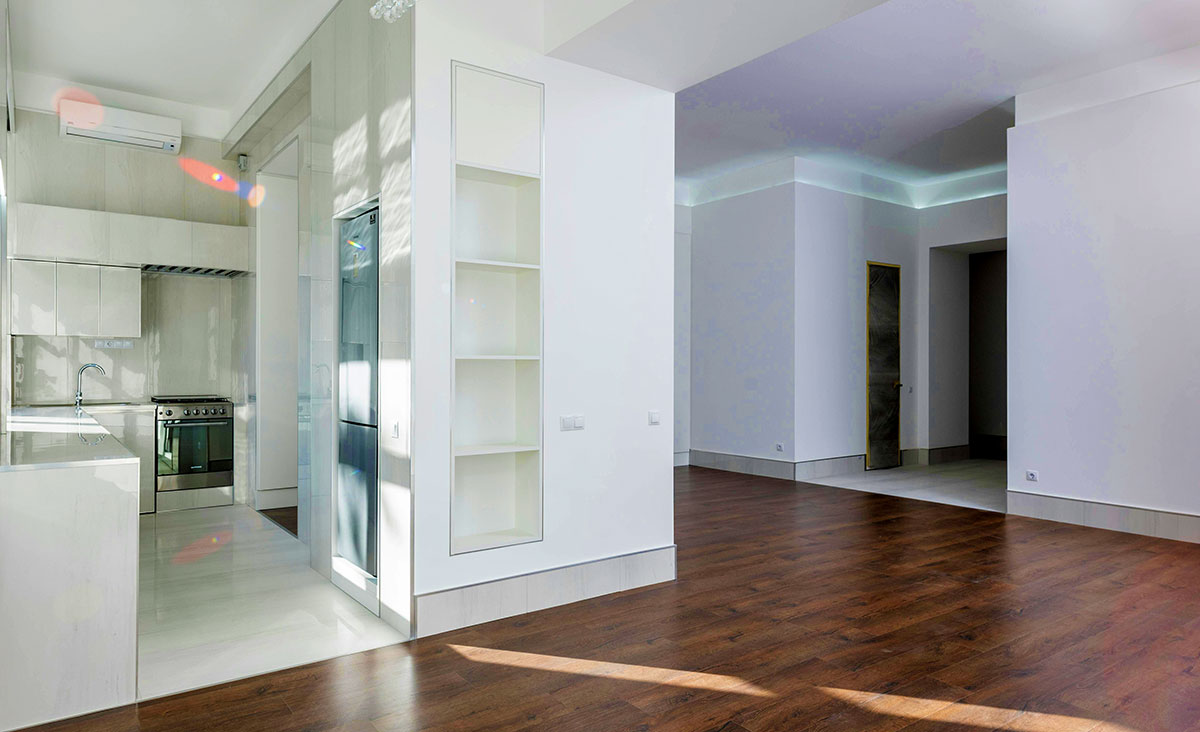
How Apartment Layouts Influence Renters’ Happiness Post-Move: 7 Best Design Factors in 2026 (Ultimate Guide)
How apartment layouts influence renters’ happiness post-move is one of the most critical yet overlooked factors when searching for a new home in 2026. After years of remote work evolution and changing lifestyle priorities, renters are discovering that the physical arrangement of their living space directly impacts their daily satisfaction, mental well-being, and overall quality of life. Whether you’re downsizing from a house or upgrading from a studio, understanding how apartment layouts influence renters’ happiness post-move can transform your living experience from merely acceptable to genuinely fulfilling.
The apartment rental market in 2026 has shifted dramatically. Gone are the days when location and price were the only deciding factors. Today’s renters spend an average of 70% of their time at home, according to recent housing trend analyses, making layout considerations more important than ever before. This comprehensive guide explores the seven best design factors that determine how apartment layouts influence renters’ happiness post-move, backed by behavioral science and real-world renter experiences.
Why How Apartment Layouts Influence Renters’ Happiness Post-Move Matters More in 2026
The connection between physical space and emotional well-being isn’t just anecdotal anymore. Research from the American Psychological Association confirms that our living environments significantly impact stress levels, productivity, and interpersonal relationships. When you understand how apartment layouts influence renters’ happiness post-move, you’re essentially learning to choose a space that supports your lifestyle rather than fighting against it.
Post-pandemic work patterns have fundamentally changed what renters need from their apartments. The typical renter in 2026 requires dedicated workspace, proper boundaries between living zones, and flexible areas that serve multiple purposes throughout the day. How apartment layouts influence renters’ happiness post-move directly correlates with how well the floor plan accommodates these modern lifestyle requirements.
“We’ve observed a 43% increase in tenant satisfaction scores when renters prioritize layout compatibility over square footage alone. The spatial arrangement matters more than raw space.” — National Apartment Association, 2026 Renter Satisfaction Report
Factor #1: The Essential Flow Pattern That Determines Daily Comfort

How apartment layouts influence renters’ happiness post-move begins with traffic flow. The best apartment layouts in 2026 feature what designers call “logical circulation patterns” — pathways through the apartment that feel intuitive and don’t force you to walk through one room to access another. This might sound trivial until you’re carrying groceries through your bedroom to reach the kitchen or disrupting your roommate’s workspace every time you need the bathroom.
Consider the kitchen-to-dining flow, bedroom-to-bathroom proximity, and how entryways connect to living spaces. Apartments with defined pathways reduce friction in daily routines. When evaluating how apartment layouts influence renters’ happiness post-move, walk through potential apartments while imagining your actual daily activities: morning routines, cooking dinner, hosting friends, or settling in for the evening.
Open concept layouts dominated the 2010s, but 2026 has brought a more nuanced approach. The most satisfied renters report preferring semi-open designs that offer connection without sacrificing definition. These layouts acknowledge how apartment layouts influence renters’ happiness post-move by balancing openness with functional zones.
Factor #2: Natural Light Distribution and Window Placement
The placement and quality of windows dramatically affect how apartment layouts influence renters’ happiness post-move. Multiple studies from the National Institutes of Health demonstrate that natural light exposure regulates circadian rhythms, improves mood, and enhances cognitive function. In 2026, renters who prioritize naturally lit spaces report 31% higher satisfaction rates six months post-move.
How apartment layouts influence renters’ happiness post-move depends significantly on whether windows illuminate the spaces where you spend the most time. North-facing windows provide consistent, indirect light perfect for home offices. South-facing exposures flood living areas with warmth. East-facing bedrooms support natural wake cycles, while west-facing windows offer stunning evening light.
Corner units and top floors typically maximize natural light, but interior layouts matter equally. Apartments with windows in multiple rooms rather than concentrated in one area distribute light more effectively. When assessing how apartment layouts influence renters’ happiness post-move, visit potential apartments at different times of day to understand actual lighting conditions.
Factor #3: Storage Solutions Integrated Into the Layout
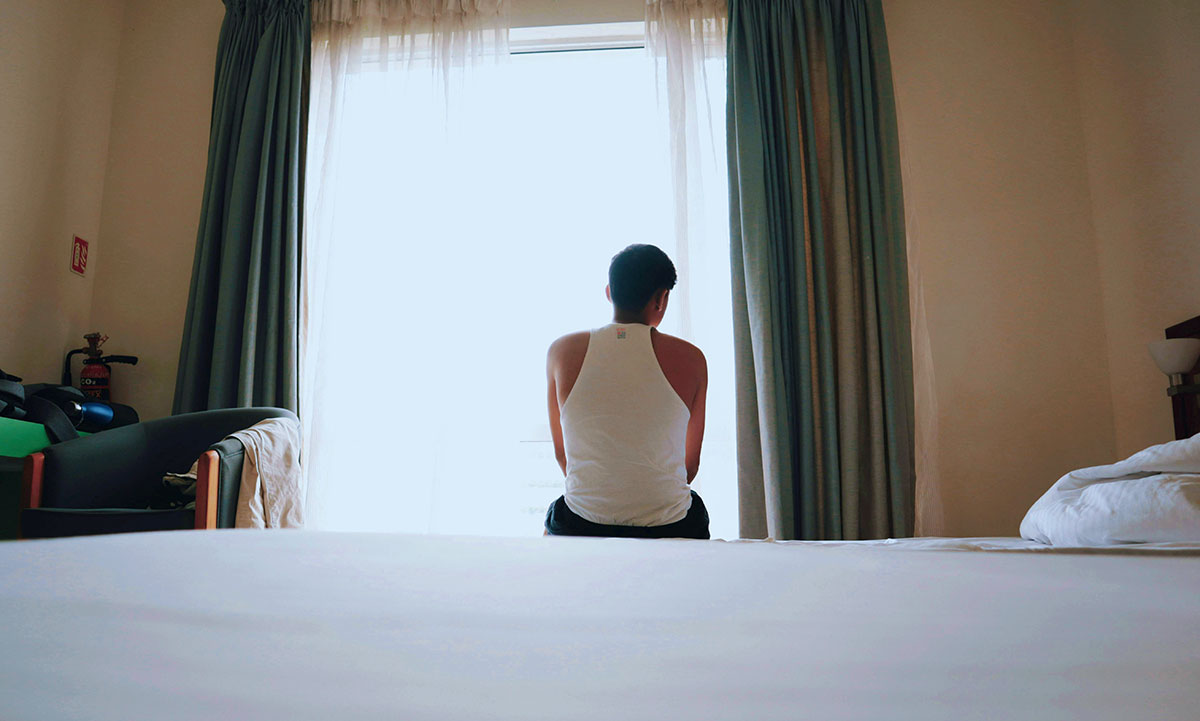
Nothing diminishes post-move happiness faster than inadequate storage. How apartment layouts influence renters’ happiness post-move is directly tied to whether the design includes sufficient, well-placed storage that doesn’t require furniture solutions. The best 2026 apartment layouts feature built-in closets, linen storage, coat closets near entries, and kitchen pantries as standard elements.
Evaluate storage holistically when considering how apartment layouts influence renters’ happiness post-move:
- Bedroom closets with at least 6 feet of hanging space per occupant
- Hallway or entry closets for coats, shoes, and seasonal items
- Kitchen pantry space or adequate cabinet depth
- Bathroom storage beyond a single medicine cabinet
- Utility closet for cleaning supplies, tools, and household items
Apartments lacking integrated storage force renters to purchase additional furniture, reducing usable living space and creating visual clutter. Understanding how apartment layouts influence renters’ happiness post-move means recognizing that five minutes spent searching for stored items daily equals 30 hours annually — time that breeds frustration and dissatisfaction.
How Apartment Layouts Influence Renters’ Happiness Post-Move Through Kitchen Functionality
The kitchen serves as the functional heart of modern apartments, and how apartment layouts influence renters’ happiness post-move depends heavily on kitchen design. In 2026, with meal delivery costs averaging $23 per order, more renters cook at home regularly. A poorly designed kitchen becomes a daily source of irritation that compounds over time.
The “work triangle” principle — efficient spacing between sink, stove, and refrigerator — remains relevant. But how apartment layouts influence renters’ happiness post-move in 2026 also involves counter space for meal prep, appliance placement that doesn’t block workflow, and connection to dining or living areas that facilitate social cooking.
Galley kitchens can work beautifully when designed with adequate counter space on both sides. L-shaped kitchens offer efficiency and openness. Island kitchens provide community gathering points. The key is matching kitchen layout to your cooking style. According to Houzz’s 2026 Renter Kitchen Study, renters who cook 4+ times weekly rate kitchen layout as their primary satisfaction factor, outranking even appliance quality.
Factor #5: Bedroom Positioning and Privacy Considerations
How apartment layouts influence renters’ happiness post-move becomes especially apparent in bedroom placement. Bedrooms adjacent to living rooms, kitchens, or shared walls with neighbors create noise conflicts that disrupt sleep quality. The best layouts position bedrooms away from high-traffic areas and social spaces, ideally with bathrooms serving as sound buffers.
For roommate situations, how apartment layouts influence renters’ happiness post-move correlates strongly with bedroom equity. Layouts where one bedroom is significantly larger, receives more natural light, or has better bathroom access create inherent tension. Split bedroom designs — bedrooms on opposite sides of the apartment — offer maximum privacy and work exceptionally well for unrelated roommates or work-from-home arrangements.
Master bedroom placement affects how apartment layouts influence renters’ happiness post-move for couples and families:
- Distance from entry doors reduces disturbance when occupants arrive home at different times
- Separation from living areas allows one person to sleep while another entertains guests
- Proximity to larger or en-suite bathrooms improves morning routine efficiency
- Corner positions typically offer quieter environments with windows on two walls
Factor #6: Multi-Functional Spaces That Adapt to Your Life
How apartment layouts influence renters’ happiness post-move in 2026 increasingly depends on flexibility. The most successful layouts include spaces that serve multiple purposes: dining areas that double as workspaces, living rooms that accommodate exercise equipment, or bonus nooks perfect for reading corners, pet areas, or hobby stations.
The rise of hybrid work means how apartment layouts influence renters’ happiness post-move must account for professional needs. Alcoves, den spaces, or oversized bedrooms that accommodate desks without sacrificing bedroom functionality score highest in renter satisfaction surveys. Even a well-placed corner with strong Wi-Fi coverage and electrical outlets can transform how apartment layouts influence renters’ happiness post-move for remote workers.
Balconies and patios extend usable square footage seasonally. When evaluating how apartment layouts influence renters’ happiness post-move, consider outdoor space as an additional room accessible 6-9 months yearly in most climates. Layouts with sliding doors that fully open create seamless indoor-outdoor flow that dramatically enhances perceived spaciousness.
“Renters who utilize their apartment layouts for three or more distinct activities beyond basic living report 28% longer tenancy durations and higher renewal rates.” — Apartment List Research, 2026
Factor #7: Bathroom Configuration and Accessibility
How apartment layouts influence renters’ happiness post-move often hinges on bathroom quantity, size, and positioning. Single-bathroom apartments work for solo dwellers but create morning conflicts for couples and roommates. The bathroom-to-bedroom ratio significantly affects daily stress levels and household harmony.
When examining how apartment layouts influence renters’ happiness post-move, bathroom placement matters as much as count. Bathrooms accessible from hallways rather than through bedrooms offer guest convenience and roommate privacy. En-suite bathrooms increase master bedroom appeal but may strand secondary bedrooms without convenient access.
Bathroom size and layout affect functionality beyond just square footage. How apartment layouts influence renters’ happiness post-move includes whether bathrooms accommodate getting ready simultaneously, offer storage for toiletries and linens, and include adequate ventilation to prevent moisture issues.
Evaluating How Apartment Layouts Influence Renters’ Happiness Post-Move: Practical Assessment Steps
Understanding theory about how apartment layouts influence renters’ happiness post-move helps, but practical evaluation ensures you choose correctly. Use these assessment techniques during apartment tours:
The Furniture Placement Test: Mentally (or literally, with a tape measure) place your current furniture in the space. How apartment layouts influence renters’ happiness post-move depends on whether your existing belongings fit naturally or require awkward arrangements. Beds that only fit against one wall or sofas that block walkways signal layout challenges.
The Daily Routine Walkthrough: Physically walk through your typical day in the apartment. Start at the entry with imaginary groceries, proceed to the kitchen, then to your work area, and finally to bedroom and bathroom. How apartment layouts influence renters’ happiness post-move becomes tangible when you identify friction points during this exercise.
The Noise Mapping Exercise: Identify where sounds will travel. Speak normally in different rooms while someone listens from bedrooms. How apartment layouts influence renters’ happiness post-move includes acoustic considerations — walls between sleeping and living areas, bathroom fans that aren’t adjacent to headboards, and kitchens positioned to minimize early morning disturbance.
Common Layout Mistakes That Diminish Post-Move Happiness
How apartment layouts influence renters’ happiness post-move includes recognizing problematic designs before signing a lease. Watch for these red flags that consistently predict dissatisfaction:
- Bowling Alley Layouts: Long, narrow apartments feel claustrophobic and limit furniture arrangement options
- Windowless Rooms: Bedrooms or offices without natural light create depressing environments regardless of other features
- Orphaned Spaces: Small, oddly shaped areas too large for storage but too small for furniture waste square footage
- Bathroom Visibility: Bathrooms visible from living areas or entries lack privacy for guests and residents
- Kitchen Islands as Barriers: Islands that block kitchen access rather than enhance workflow reduce functionality
Understanding how apartment layouts influence renters’ happiness post-move means recognizing that some layout flaws can’t be overcome with furniture arrangement or decor. According to Apartments.com 2026 data, 67% of renters who broke leases early cited layout dissatisfaction as a primary factor, even when other apartment features met expectations.
Layout Preferences by Lifestyle: Matching Design to Your Needs
How apartment layouts influence renters’ happiness post-move varies by individual lifestyle. Remote workers prioritize different features than retirees or young professionals commuting daily. Consider these lifestyle-specific layout priorities:
Remote Workers: How apartment layouts influence renters’ happiness post-move for remote workers centers on dedicated workspace with doors, strong natural light during business hours, and separation from relaxation areas. Den layouts, two-bedroom apartments used as bedroom-plus-office, or one-bedrooms with alcoves score highest.
Couples: How apartment layouts influence renters’ happiness post-move for couples emphasizes bathroom access, closet space equity, and areas where partners can pursue separate activities simultaneously. Split layouts with defined zones and 1.5+ bathrooms prevent daily conflicts.
Pet Owners: How apartment layouts influence renters’ happiness post-move for pet owners includes entry areas that contain muddy paws, living spaces visible from kitchen for supervision, and layouts minimizing pet-disturbed zones. Ground floor access to outdoor areas dramatically improves satisfaction.
Entertainers: How apartment layouts influence renters’ happiness post-move for social individuals requires open kitchen-living room flow, adequate seating areas, and bathrooms accessible without entering private spaces. Island kitchens and open concepts with defined zones work best.
The Financial Impact: How Apartment Layouts Influence Renters’ Happiness Post-Move and Lease Longevity
Poor layout choices carry financial consequences beyond monthly rent. How apartment layouts influence renters’ happiness post-move directly affects whether you complete your lease term or break it early, incurring fees that average $2,800 in 2026. Additionally, dissatisfaction often leads to compensatory spending on furniture, storage solutions, or eating out because the kitchen feels unworkable.
Conversely, how apartment layouts influence renters’ happiness post-move positively when you choose well means lower turnover costs, reduced moving stress, and higher quality of life that frees mental energy for career and personal growth. Renters who prioritize layout compatibility save an estimated $4,200 annually on moving costs, replacement furniture, and stress-related expenses.
Technology and How Apartment Layouts Influence Renters’ Happiness Post-Move in 2026
Modern technology considerations affect how apartment layouts influence renters’ happiness post-move. In 2026, adequate electrical outlets, strong Wi-Fi coverage throughout the unit, and smart home device compatibility matter significantly. Layouts with outlets positioned for desk setups, entertainment centers, and charging stations reduce adapter reliance and cord clutter.
How apartment layouts influence renters’ happiness post-move now includes connectivity infrastructure. CNET’s 2026 Smart Home Survey found that 78% of renters use 5+ connected devices daily. Apartments with layouts that support mesh network placement, have outlets for smart thermostats, and accommodate video doorbell installations score higher in tech-savvy renter satisfaction.
Making Your Decision: How Apartment Layouts Influence Renters’ Happiness Post-Move Checklist
Before signing your lease, use this comprehensive checklist to evaluate how apartment layouts influence renters’ happiness post-move for your specific situation:
- Does the traffic flow allow movement between rooms without disrupting activities in progress?
- Do windows provide natural light to the spaces where I’ll spend the most time?
- Is there adequate built-in storage to avoid purchasing additional furniture?
- Can the kitchen accommodate my typical cooking and meal prep routines?
- Are bedrooms positioned for privacy and quiet, away from high-traffic areas?
- Does the layout include flexible spaces that can serve multiple purposes?
- Do bathroom quantity and placement match household size and morning schedules?
- Can my essential furniture fit naturally without blocking pathways or windows?
- Are there obvious layout flaws that will create daily frustrations?
- Does this layout support my specific lifestyle needs and work arrangements?
Understanding how apartment layouts influence renters’ happiness post-move empowers you to make informed decisions that enhance daily life rather than complicate it. The apartment you choose shapes countless small moments — morning routines, work focus, cooking experiences, and evening relaxation — that accumulate into overall life satisfaction.
Conclusion: Prioritizing How Apartment Layouts Influence Renters’ Happiness Post-Move
How apartment layouts influence renters’ happiness post-move represents one of the most significant yet controllable factors in your housing satisfaction. While you can’t change location after moving or easily modify neighbors, the layout you choose determines your daily experience for the entire lease term and beyond. In 2026’s competitive rental market, prioritizing layout compatibility over minor amenities or slight price differences pays dividends in reduced stress, improved productivity, and genuine contentment in your living space.
The seven factors explored — flow patterns, natural light, storage integration, kitchen functionality, bedroom positioning, multi-functional spaces, and bathroom configuration — collectively determine how apartment layouts influence renters’ happiness post-move. By systematically evaluating potential apartments against these criteria and honestly assessing your lifestyle needs, you dramatically increase the likelihood of post-move satisfaction.
Remember that how apartment layouts influence renters’ happiness post-move extends beyond the physical space to affect relationships, career performance, and mental well-being. The extra time spent finding the right layout during your search saves months or years of daily frustration. Visit multiple units, walk through your routines, visualize your furniture, and trust your instincts when a layout feels right.
As you embark on your apartment search in 2026, keep how apartment layouts influence renters’ happiness post-move at the forefront of your decision-making process. The perfect apartment isn’t defined by luxury finishes or prestigious addresses — it’s defined by how well the space supports your actual daily life. Choose wisely, and your apartment layout will enhance rather than hinder your happiness for years to come.