
Why Landlords Who Optimize for Stability Outperform Those Who Chase Top-Market Rent
Many property investors focus on peak rent instead of income reliability. That mindset weakens long-term performance. Landlords who optimize for stability approach pricing with discipline and patience. They prioritize rent that stays collected. This strategy appears often in professional markets.
For example, Reno Property Management and many firms in Las Vegas emphasize retention over aggressive pricing. Their experience shows that stable occupancy protects cash flow. Predictable income supports better decisions. Stable rent creates room for planning and adjustment. High asking rent creates pressure and risk. As a result, consistent income outperforms over time. Stability turns rental property into a dependable investment.
The Real Cost of Chasing Top-Market Rent
Top-market rent narrows the tenant pool immediately. Fewer qualified renters qualify at higher prices. By comparison, fair pricing attracts broader demand. That demand shortens lease-up time. When units sit vacant, losses begin instantly. Every empty day reduces annual performance. From a practical standpoint, one vacant month cancels several rent increases. That math surprises many investors.
High pricing also increases negotiation pressure. Renters expect concessions or upgrades, or they will leave sooner. Meanwhile, stable pricing reduces friction during leasing. Agreements close faster with fewer compromises. Over time, rent chasing becomes reactive. Owners respond to vacancies instead of preventing them. Stability avoids this cycle by aligning price with real demand.
Vacancy Drag: The Silent Killer of Net Returns
Vacancy drag refers to income lost during empty periods. It compounds quietly across a year. As a consequence, effective rent often trails asking rent significantly. Short vacancies feel harmless in isolation. Across a portfolio, they erode performance. In many cases, vacancy drag exceeds annual rent growth. This reality reshapes return expectations.
Stable pricing reduces turnover frequency. Renewals replace new leases more often. In turn, marketing and downtime disappear. Occupancy stays high without constant effort. Consistent occupancy also stabilizes operating budgets. Cash flow remains reliable across seasons. Stability removes uncertainty from income planning.

Many property investors focus on peak rent instead of income reliability
Operational Flexibility Creates Long-Term Optionality
Stability creates room to adapt without pressure. When income stays predictable, decisions improve. Other than that, extra space might come in handy during shifts in demand or tenant needs. Flexibility becomes a quiet advantage. Stable landlords can repurpose units, adjust layouts, or accommodate longer leases. These options disappear under constant vacancy pressure. As a result, stability supports operational creativity. It allows owners to act early instead of reacting late.
This approach appears clearly in professional markets. Las Vegas and Reno Property Management firms often emphasize retention over peak rent. They focus on steady occupancy in volatile regions. Landlords who optimize for stability benefit most in these environments.
Markets such as Las Vegas and Reno experience rapid swings. Demand shifts with jobs, tourism, and migration. Under these conditions, stable pricing reduces exposure. Consistent tenants buffer against sudden slowdowns. Property managers in these areas often recommend modest rent increases. Their data shows renewals outperform turnovers financially. In the long run, stability protects income while preserving flexibility. Optionality becomes a real asset.
Turnover Economics Most Investors Underestimate
Turnover creates visible and invisible costs. Cleaning, repairs, and repainting add up quickly. Equally important, staff time increases during transitions. Leasing activity pulls focus from operations. Management becomes reactive instead of proactive. Over time, this distraction reduces efficiency. Stable tenants limit these disruptions.
Longer tenancies also protect the unit itself. Frequent moves accelerate wear. By extension, capital expenses rise faster. Stability slows this cycle. Lower turnover keeps expenses predictable. Budgeting improves as variability declines. This consistency strengthens net operating income.
Tenant Quality Improves When Rents Feel Fair
Fair pricing signals respect and balance. Tenants respond with loyalty and care. As expected, payment behavior improves. Late rent becomes less common.
Stable tenants treat the property as a home. They report maintenance early. Because of this, small issues stay manageable. Repair costs remain lower. Short-term renters behave differently. They invest little emotional energy. In contrast, stable tenants protect value naturally. Their presence reduces risk. Tenant quality improves through pricing discipline. Stability filters for long-term residents. That outcome strengthens both income and asset conditions.
Financing Rewards Predictable Income
Lenders evaluate income reliability closely. Predictable rent reduces perceived risk. Consequently, financing options expand. Rates and terms often improve. Stable income supports stronger coverage ratios. These ratios influence refinancing outcomes. At the same time, volatility triggers scrutiny. Stability builds lender confidence.
Properties with consistent income attract institutional interest. Buyers value predictability. As a result, exit options improve. Stability enhances liquidity. Over the long term, financing efficiency compounds. Lower risk reduces borrowing friction. Stability supports portfolio growth.
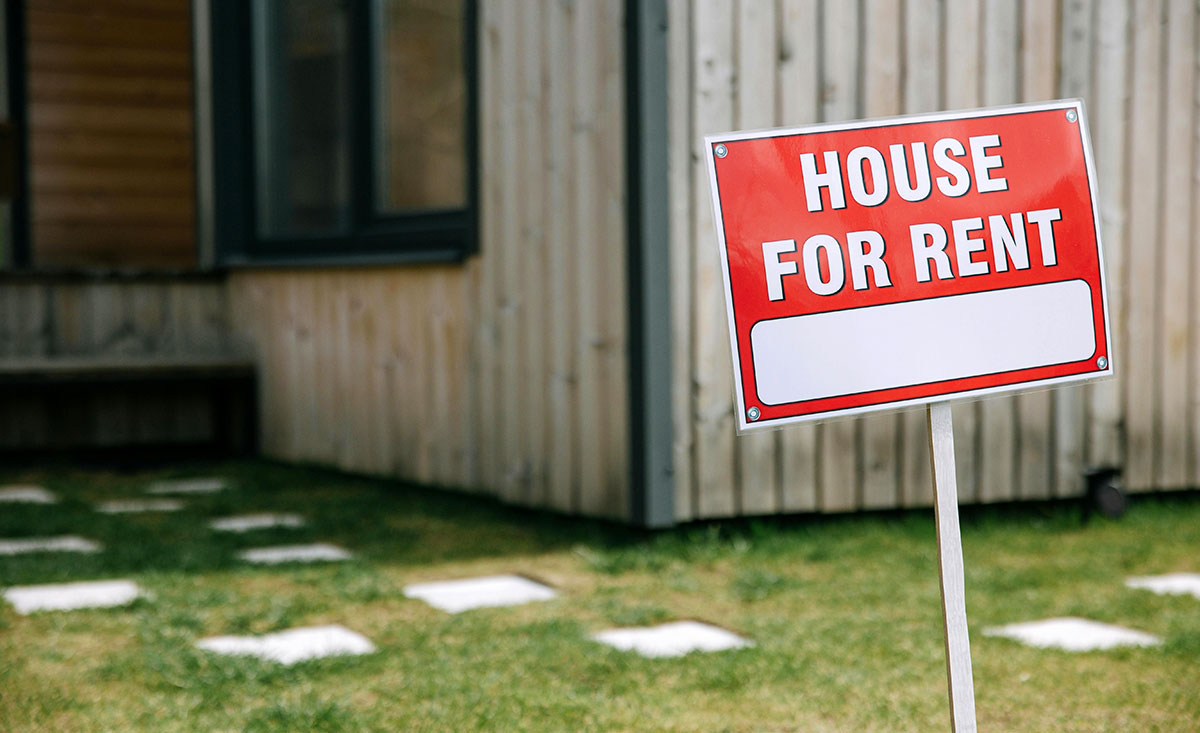
Landlords who optimize for stability outperform through consistency
Why Landlords Who Optimize for Stability Win Long Term
Long-term investing rewards consistency. Stability reduces downside without sacrificing upside. In practice, planning becomes easier. Cash reserves grow steadily. Stable landlords adjust rents gradually. Changes reflect market absorption, not emotion. Rather, they respond to tenant behavior. Data guides decisions.
This approach reduces tenant resistance. Renewals stay high, and profits are greater. As a consequence, vacancy drag remains low. Income flows without interruption. Over many years, these small advantages compound. Stability creates momentum that rent chasing disrupts.
Market Cycles Punish Rent Chasers First
Economic slowdowns expose aggressive pricing quickly. Demand weakens, and listings linger. Meanwhile, stable units remain competitive. Rent chasers react by cutting prices suddenly. These moves undermine trust. By contrast, stable landlords adjust incrementally. Their income absorbs shocks better.
During downturns, stable tenants prioritize continuity. Moving becomes costly and risky. As a result, renewals increase. Occupancy holds. Stability acts as insulation during corrections. It limits downside exposure while preserving upside recovery.
Data-Driven Rent Setting Beats Emotional Pricing
Effective pricing reflects real demand signals. Asking for rent alone misleads decisions. For example, renewal acceptance reveals price tolerance. Stable landlords track tenant response closely. They watch inquiries, renewals, and turnover. In response, they fine-tune pricing.
Small adjustments outperform dramatic shifts. Gradual increases preserve goodwill. Likewise, stability maintains leasing velocity. Data removes emotion from rent decisions. Stability replaces instinct with evidence.

Effective pricing reflects real demand signals
Summary: Stability Is a Strategy, Not a Compromise
Stability reflects discipline and foresight. It prioritizes real income over theoretical peaks. Landlords who optimize for stability outperform through consistency. Lower vacancies, reduced turnover, and better financing reinforce each other. Each benefit compounds the next. Ultimately, stability delivers stronger real returns. Predictable income supports growth, resilience, and flexibility. Stability turns rental property into a durable investment. Over time, consistency wins.