Last updated: April 2026. “Is the housing market going to crash?” remains one of the most searched real estate questions year after year — and for good reason. After the dramatic price swings of 2020-2023, many homeowners, investors, and renters want to understand where the market is heading. Here’s an honest, data-driven look at where things stand in 2026.
Will the Housing Market Crash in 2026?
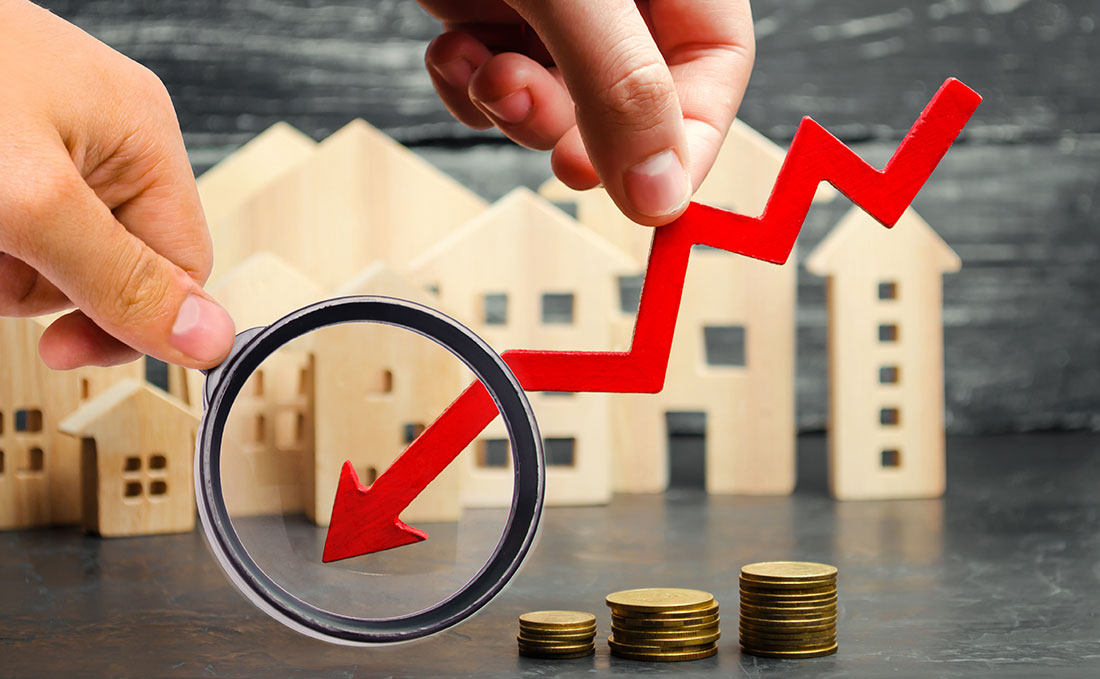
The short answer: a broad national housing market crash similar to 2008 is unlikely in 2026, but significant price corrections in certain overheated markets are possible. The conditions that caused the 2008 collapse — reckless mortgage lending, widespread subprime loans, and massive speculative inventory — are largely absent from today’s market. That said, elevated mortgage rates, affordability pressures, and regional economic shifts create real risks in specific markets.
According to Freddie Mac’s housing market analysis, the U.S. housing market faces significant structural undersupply that acts as a floor under prices — the country has underbuilt housing for over a decade, and that deficit doesn’t disappear quickly even when demand softens. This structural supply shortage is a key reason most economists do not foresee a 2008-style collapse.
Key Factors Shaping the 2026 Housing Market
1. Mortgage Rates Remain Elevated
After the Federal Reserve’s aggressive rate hike cycle of 2022-2023, mortgage rates settled well above the historic lows of 2020-2021. According to Freddie Mac’s Primary Mortgage Market Survey, rates in 2025-2026 have moderated from their peak but remain at levels that significantly reduce purchase affordability compared to the pandemic era.
Higher rates have two opposing effects on the market: they suppress buyer demand and transaction volume, which slows price appreciation — but they also create a “lock-in effect” where existing homeowners with low fixed-rate mortgages are reluctant to sell, keeping inventory constrained and preventing the price collapse that would otherwise follow reduced demand.
2. Housing Supply Remains Structurally Constrained
The U.S. housing market has underproduced homes relative to household formation for well over a decade. According to National Multifamily Housing Council research, the housing supply deficit affects both for-sale and rental markets, creating persistent demand that prevents the kind of inventory glut that preceded the 2008 crash.
New construction has picked up in some Sun Belt markets including Las Vegas, but permits and completions nationally remain below the level needed to meaningfully close the supply gap in the near term.
3. The Labor Market Remains the Critical Variable
Housing crashes are almost always preceded or accompanied by significant job losses. According to Bureau of Labor Statistics data, the U.S. labor market has remained relatively resilient despite the higher interest rate environment. Employed households continue to pay mortgages and rents — the foundation of housing market stability.
The scenario most likely to produce a housing downturn in 2026 would be a significant and sustained rise in unemployment. This remains the key risk factor to monitor.
4. Lending Standards Are Much Tighter Than 2008
One of the most important differences between today’s market and 2008 is mortgage underwriting quality. The post-2008 regulatory environment — including the Dodd-Frank Act and qualified mortgage rules — effectively eliminated the no-documentation, subprime lending that flooded the market with unqualified borrowers in the mid-2000s.
According to Freddie Mac research, the credit quality of mortgages originated since 2010 has been substantially higher than those originated during the 2003-2007 bubble. This means the pool of homeowners is much less likely to default en masse even if prices soften — a key structural difference from 2008.
5. Investor Activity Has Moderated
Institutional and individual investor activity in the housing market surged during 2020-2022, raising concerns about speculative excess. By 2024-2025, higher financing costs had cooled investor purchases significantly. This moderation reduces the risk of a forced-selling cascade that could accelerate price declines — investors feeling squeezed by negative cash flows were a significant amplifier of the 2008 downturn.
What Could Trigger a Housing Downturn?
While a 2008-style crash is unlikely, meaningful price corrections are possible in certain scenarios. The conditions most likely to produce significant price declines include:
- A sharp rise in unemployment — job losses force mortgage defaults and distressed sales, increasing supply and suppressing demand simultaneously
- A significant increase in mortgage defaults — unlikely given current underwriting quality but possible in a severe recession
- A sudden surge in for-sale inventory — if the lock-in effect reverses rapidly, a flood of supply could outpace demand
- Regional economic shocks — markets heavily dependent on a single industry or employer are more vulnerable to localized downturns
What Does This Mean for the Las Vegas Market Specifically?
Las Vegas has its own market dynamics that diverge from national trends. The metro area benefits from consistent population in-migration, no state income tax, and a diversifying economy — but it is also more sensitive to tourism and hospitality cycles than most major markets.
According to Greater Las Vegas Association of Realtors data, the Las Vegas housing market has shown more resilience than many analysts predicted heading into 2025-2026. Prices have stabilized rather than collapsed, inventory remains manageable, and rental demand has stayed strong — supported by the same elevated mortgage rates that suppress buying activity nationally.
In our experience at Triumph Property Management, owner inquiries about property values and investment prospects have increased in 2025-2026 — reflecting cautious optimism rather than panic. The Las Vegas rental market in particular has held up well, with vacancy periods remaining short for well-managed properties and qualified tenants continuing to apply in strong numbers.
Should You Buy, Sell, or Rent in Las Vegas in 2026?
If You’re Thinking of Buying
If you can afford today’s mortgage rates and plan to stay in a home for 5+ years, buying in Las Vegas remains a reasonable long-term decision. Trying to time the market perfectly is rarely productive — the best time to buy is when it makes financial sense for your situation, not based on crash predictions. Focus on affordability at current rates, not the possibility of lower rates in the future.
If You’re Thinking of Selling
If you need to sell, the Las Vegas market in 2026 still favors sellers in the entry-level and mid-tier price segments where inventory remains relatively tight. Pricing correctly from day one is critical — overpriced homes are sitting longer as buyers have become more selective in the higher rate environment.
If You’re a Rental Property Owner
The 2026 environment is genuinely favorable for Las Vegas rental property owners. Elevated mortgage rates are keeping would-be buyers in the rental pool, population growth continues to support demand, and rents have plateaued at levels significantly higher than pre-pandemic. The key is professional management, competitive pricing, and tenant retention — not trying to extract maximum rent at the expense of occupancy stability.
If You’re Renting
If you’re currently renting and wondering whether to buy, the decision comes down to affordability at current rates and your expected length of stay. Don’t let crash fears or FOMO drive the decision — run the actual numbers for your situation. Renting from a professional management company in the meantime ensures you have a quality home and responsive service while you evaluate your options.
The Bottom Line
A catastrophic housing market crash in 2026 is unlikely given today’s tight supply, strong lending standards, and relatively healthy labor market. However, price softness in overvalued segments and markets facing economic headwinds is possible. Las Vegas specifically remains on solid footing heading into mid-2026, supported by population growth, rental demand, and diversifying economic base.
Whether you own rental property in Las Vegas or are searching for a quality rental home, Triumph Property Management’s team of local experts can help you navigate today’s market with confidence. Contact us today for a free consultation or rental analysis.