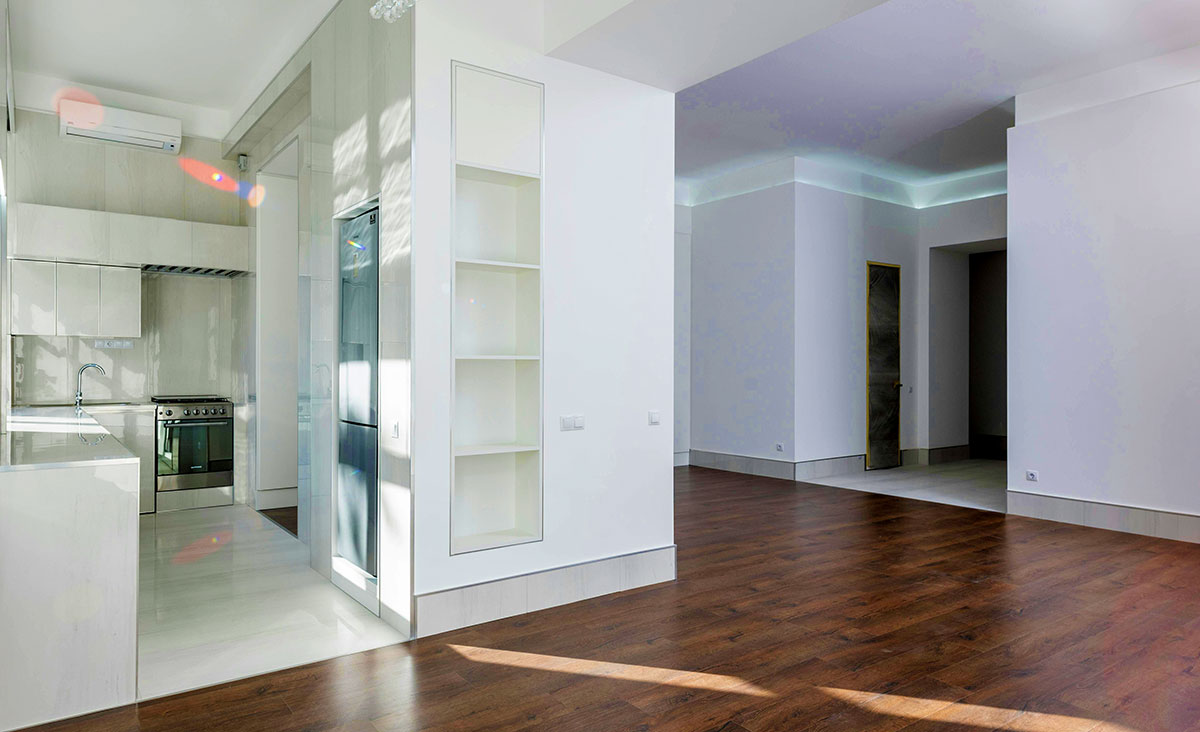
How Apartment Layouts Influence Renters’ Happiness Post-Move
A move can feel exciting, but the real test starts after the boxes are gone. Renters often focus on price, location, and square footage before signing a lease. Yet the shape of the home often has the biggest effect on daily comfort. Apartment layouts influence renters’ happiness because they affect how people sleep, cook, work, clean, and relax. A unit can look great in photos and still feel awkward in real life. A better layout makes simple tasks easier. That ease helps people settle in faster and feel at home sooner.
The First Week Reveals the Truth
The first week after move-in tells renters what listing photos never could. A narrow kitchen, a bedroom near a loud hallway, or a bathroom placed far from the main bedroom can create stress fast. That is how moving doesn’t meet expectations for many renters. The problem is not always size.
In many cases, the issue is flow. A smaller apartment with a smart plan can feel calm and easy. A larger one with poor room placement can feel annoying every day. That early mismatch can shape the full rental experience.
Moving Day Stress Can Carry Into Daily Life
The move itself also affects how people feel about a new place. A smooth move helps renters start fresh with less tension. A rough move can make every flaw feel worse. In those cases, renters often read up on common moving challenges and practical ways to solve them.
Advice from experienced movers can help people plan furniture placement, unpack in a logical order, and avoid extra stress during the first few days. A good place to start is Helix Moving & Storage, because when furniture lands in the right room, and unpacking starts with a clear plan, the home feels more workable from day one. That first impression matters. People often connect their early emotions to the space itself, even when part of the stress came from the move.
Apartment Layouts Influence Renters’ Happiness in Everyday Routines
A layout affects routines in ways renters notice every single day. An open path from the bedroom to the bathroom helps mornings feel smoother. A kitchen with enough counter space helps dinner feel less rushed. A living room that fits a sofa, table, and walking space feels easier to use. Even a small entry area can make a home feel less cluttered.
Good layouts support habits without forcing people to adjust every move. Poor layouts do the opposite. They turn normal routines into small daily problems, and those problems add up.
Small Changes Can Help a Rental Feel Better
Some renters try to improve a frustrating space after move-in. That is where ideas around renovating a rental often enter the picture. Most tenants cannot tear down walls or rebuild a kitchen, but they can still improve function. They can use room dividers, better lighting, narrow shelving, or smart furniture placement.
These fixes help, but they do not erase a weak floor plan. A bad bedroom location still affects sleep. A cramped dining area still limits comfort. Small changes can reduce stress, yet the layout still sets the limits of the experience.

Smart updates can make a rental feel more functional after move-in, but a poor layout still shapes daily comfort.
Storage Supports Peace of Mind
Storage has a direct link to how calm a rental feels. When closets are too small, renters end up stacking bins in hallways or storing daily items in sight. That makes the apartment feel crowded, even when the square footage seems fair. A good layout gives storage space where it matters most. Entry closets support coats and shoes. Bathroom storage keeps counters clear. Kitchen cabinets reduce visual mess. When renters can put things away with ease, the home feels cleaner and more settled. That feeling supports happiness because the space works with daily life.
Rules, Repairs, and Responses Affect Comfort
Layout matters, but management also shapes the post-move experience. This becomes clear in talks about understanding landlord behavior after the lease begins. A renter may accept a strange floor plan if repairs happen fast and communication stays clear. Still, weak management can make layout issues feel sharper. If a bedroom door sticks, a fan fails, or a noisy window needs attention, renters want quick help. When support is slow, people feel trapped in a space that already frustrates them. Good service cannot change the walls, yet it can reduce daily friction in a real way.
Local Market Standards Shape Expectations
City standards also affect how renters judge a layout. In faster rental markets, people may accept trade-offs just to secure a unit. Even then, they still feel the impact after move-in. In places such as Las Vegas, many renters compare floor plans closely because climate, work schedules, and lifestyle needs can vary a lot. A company such as Reno Property Management may also shape expectations if it presents layouts clearly and sets honest terms from the start. Clear marketing helps renters choose better. That reduces disappointment and helps the right resident land in the right space.
Light, Noise, and Privacy Matter More Than People Expect
Natural light and sound control play a major role in renters’ happiness. A bright living area can lift the mood during long workdays at home. A bedroom placed away from street noise can improve sleep within the first night. Privacy also matters. Renters often feel less comfortable when bedrooms open straight into shared areas or when bathroom access feels exposed. These details can sound small on paper, but they feel huge in daily life. Good layouts create a sense of calm. Poor layouts leave renters tense, distracted, and less satisfied with the home overall.
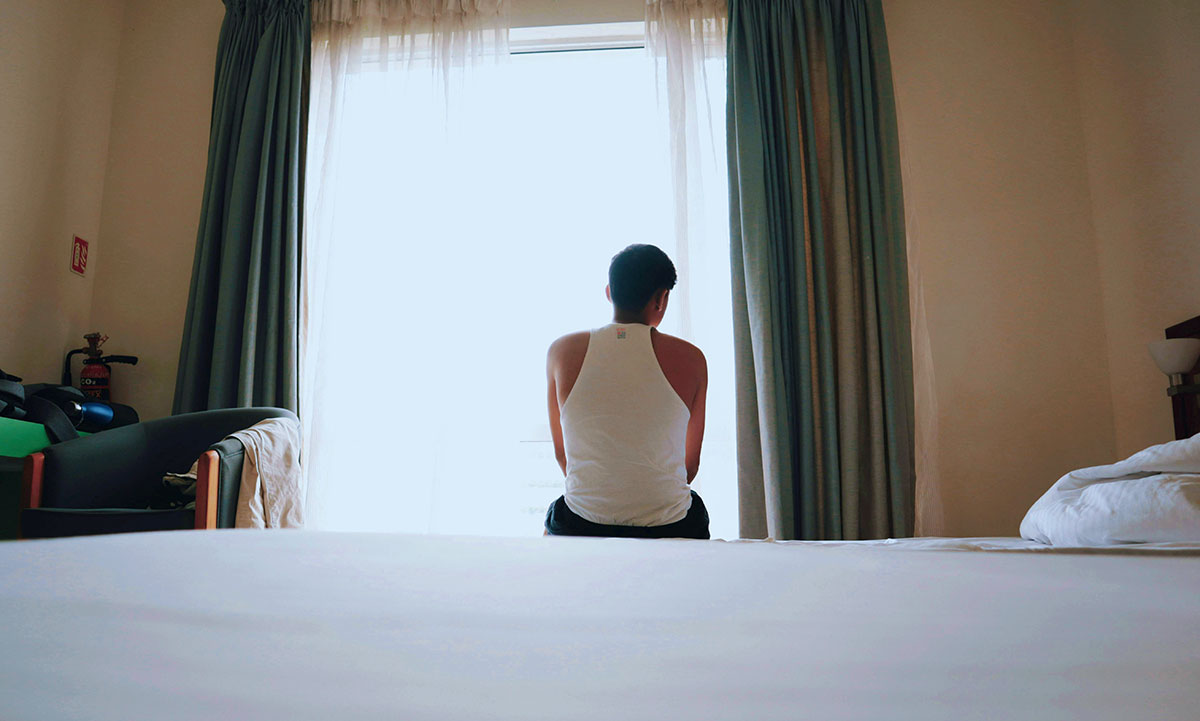
Natural light, quiet bedrooms, and better privacy can make an apartment feel calm, comfortable, and easier to enjoy every day.
The Best Floor Plans Keep People Comfortable Longer
A renter may not talk about floor plans every day, but they feel them every day. That is why apartment layouts influence renters’ happiness long after the lease starts. The right setup helps people keep routines, host guests, work from home, and rest without constant adjustment. It also supports a stronger emotional bond with the home.
When a place feels easy to live in, renters are more likely to renew. They may even accept a higher rent if the apartment truly fits their life. Comfort often creates loyalty, and layout plays a huge part in that result.
Happiness After the Move Starts With Fit
Post-move happiness rarely depends on one big feature alone. It grows from dozens of small moments that happen inside the home each day. A good layout supports those moments with better flow, storage, privacy, and comfort.
A weak layout adds pressure where people want ease. For that reason, apartment layouts influence renters’ happiness in ways renters remember far more than staged photos or polished listings. The best apartments do more than look appealing. They help people live well, settle faster, and feel good about the choice they made after the move.